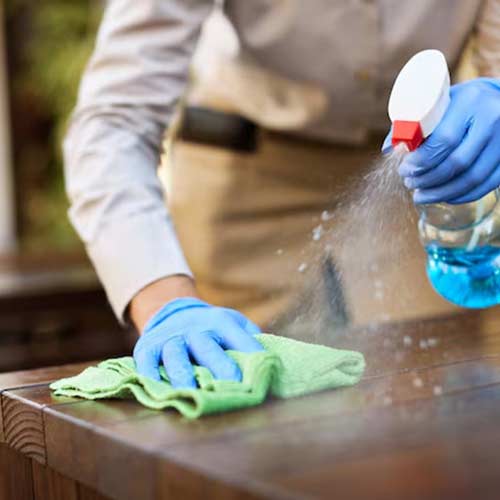
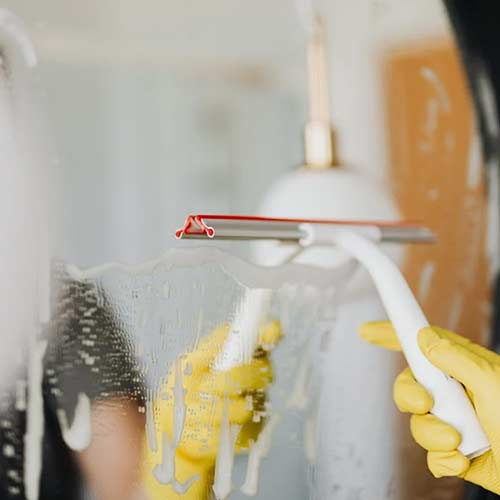
Cleaning streaks from glass surfaces requires the right approach to ensure a spotless finish. Start by using a microfiber cloth, which is excellent for trapping dirt and moisture without leaving lint or residue behind. Avoid paper towels or cotton cloths, as they can contribute to streaking.
Next, choose an effective cleaning solution. A simple vinegar-water mixture (equal parts vinegar and water) works wonders, or you can opt for a commercial glass cleaner. Spray the cleaner onto the glass, but not excessively—too much liquid can cause streaks.
When wiping, use a circular motion rather than straight strokes. This helps distribute the cleaner more evenly and prevents streaks from forming. Finally, wipe down the surface with a dry microfiber cloth for a crystal-clear, streak-free finish.
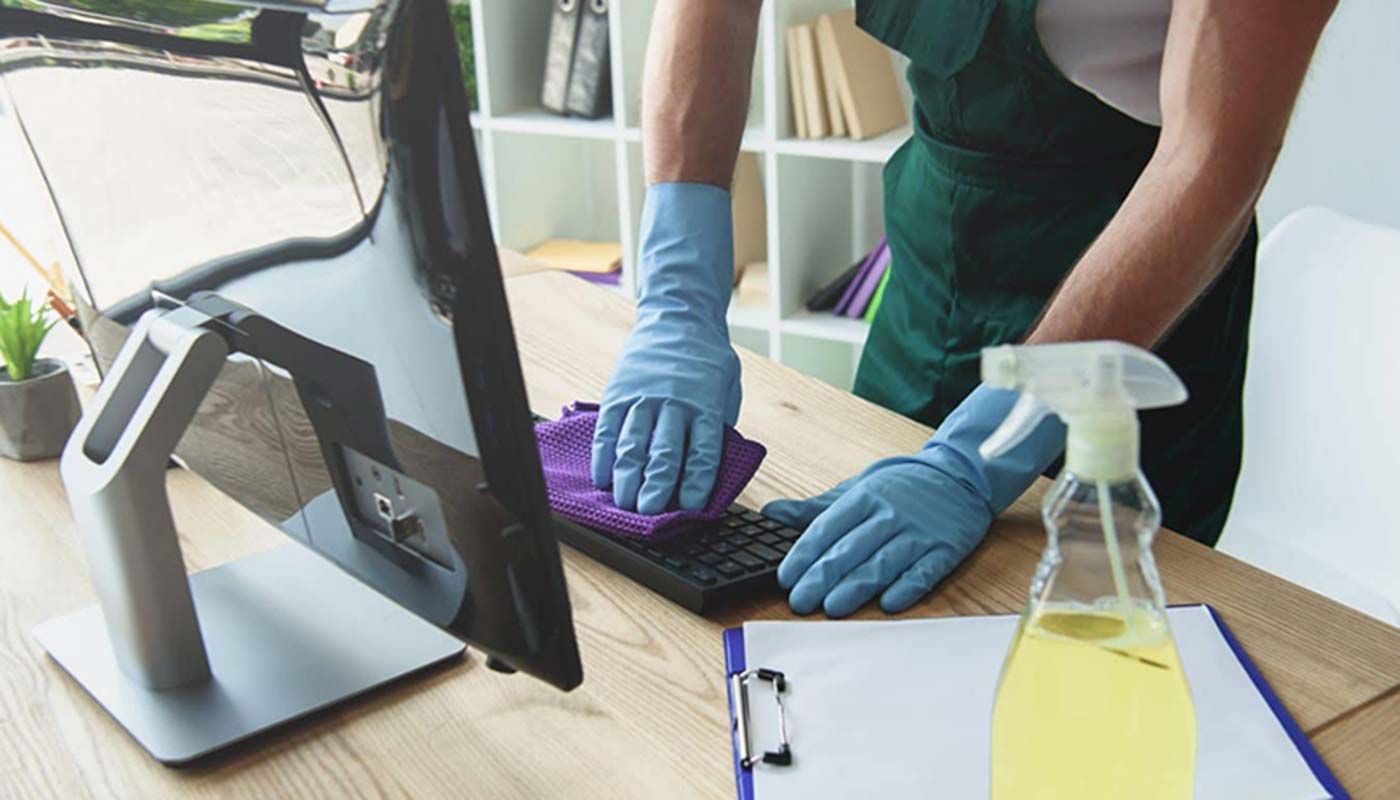
Cleaning high-traffic areas effectively requires consistent attention and the right methods. These spaces, like lobbies, hallways, and entryways, accumulate dirt quickly and need regular cleaning to maintain hygiene and appearance.
Start by using high-quality floor mats at all entrances. These mats help trap dirt and debris from shoes, reducing the amount that gets tracked into the building. Regularly clean or replace the mats to ensure they remain effective.
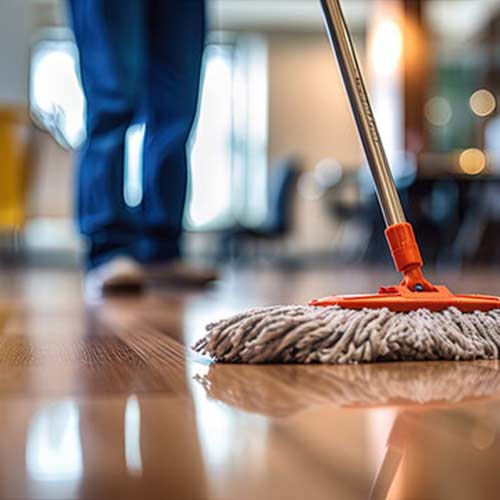
Next, implement a schedule for frequent sweeping and mopping. Daily sweeping or vacuuming helps remove loose dirt and dust before it can settle. Mopping with a disinfectant solution not only keeps floors clean but also kills bacteria and germs, ensuring a hygienic environment.
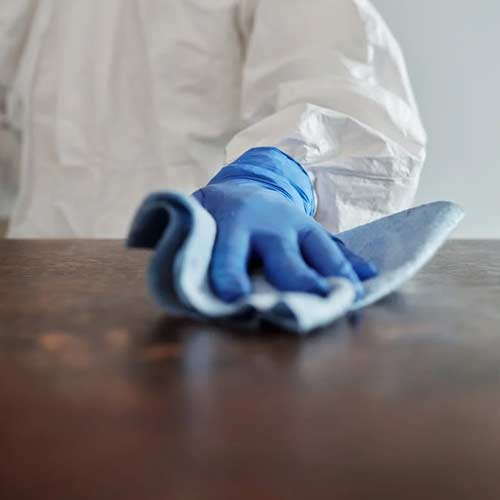
Finally, pay close attention to high-touch surfaces such as doorknobs, handrails, elevator buttons, and light switches. These surfaces are breeding grounds for bacteria due to constant contact. Regularly disinfecting these areas will reduce the risk of spreading germs, particularly in busy locations where cleanliness is crucial.
Hard water stains, caused by mineral deposits like calcium and magnesium, can leave unsightly marks on shower tiles. Here's an effective method to remove them:
Start by making a vinegar and baking soda paste. Mix equal parts of white vinegar and baking soda to form a thick paste. Vinegar is acidic and works to dissolve mineral deposits, while baking soda acts as a gentle abrasive.
Apply the paste directly onto the hard water stains. Let it sit for 10-15 minutes, allowing the vinegar to break down the minerals. This resting time helps loosen the stains for easier removal.
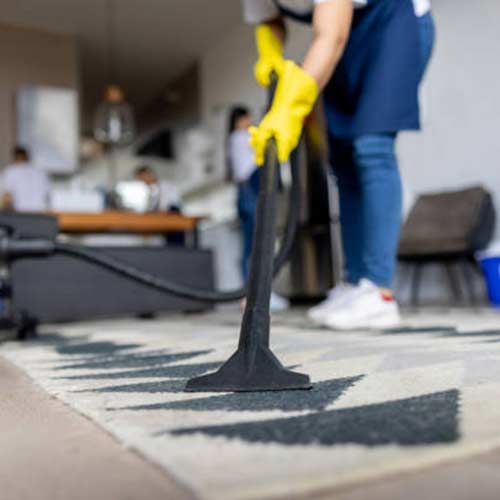
High-traffic carpet areas tend to accumulate dirt, dust, and stains faster than other parts of the home or office, so regular deep cleaning is essential for maintaining both appearance and hygiene. Here's a step-by-step guide to deep clean such areas:
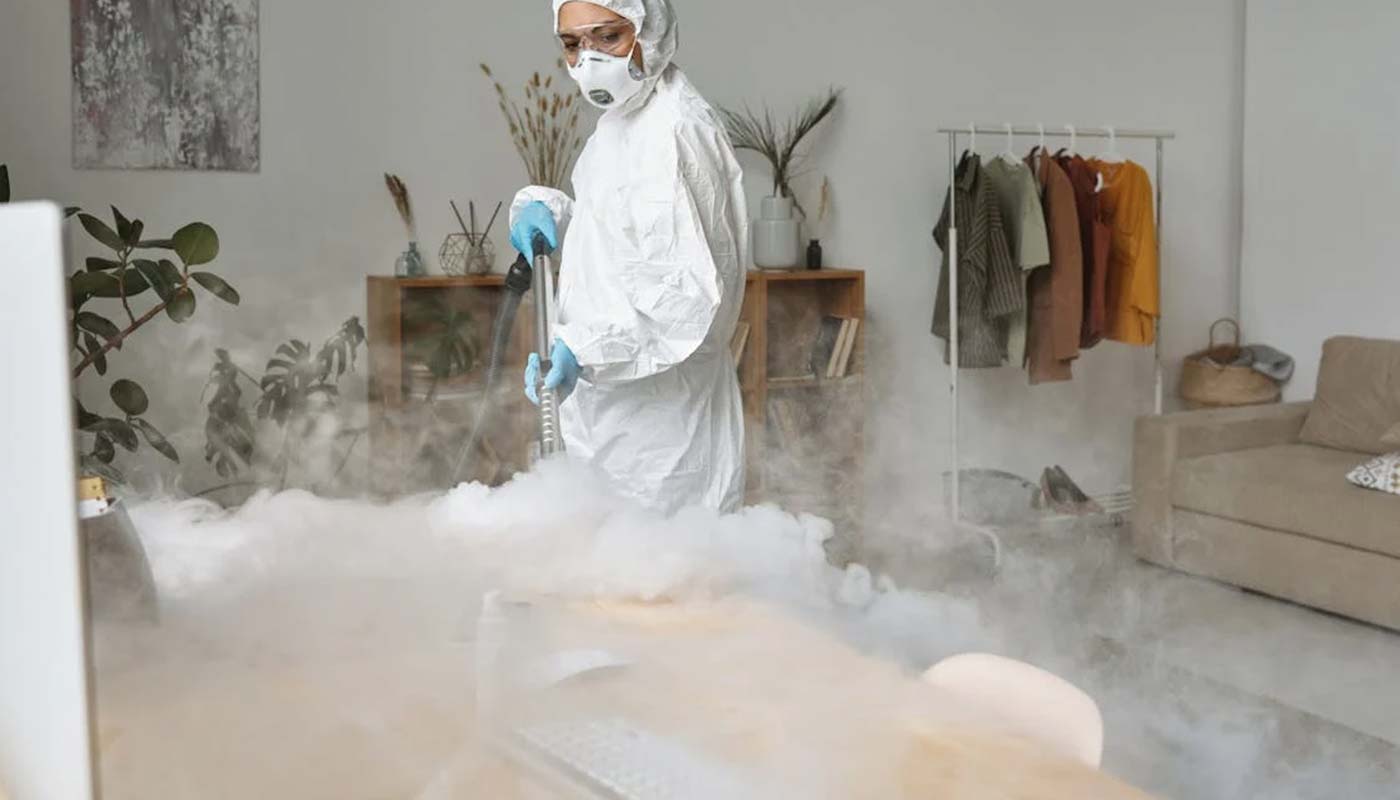
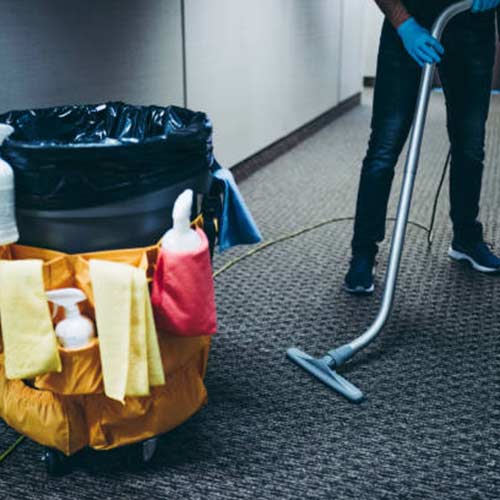
Begin by vacuuming the entire carpeted area. For high-traffic zones, it's important to go over the area multiple times to ensure you remove as much surface dirt, dust, and debris as possible. This step helps to loosen embedded particles and prepares the carpet for deep cleaning.
For visible stains or heavily soiled areas, use a carpet stain remover or a homemade solution of vinegar and water. Spray the mixture on the stained areas and let it sit for a few minutes to break down the grime before deep cleaning. This helps in tackling tougher spots before the cleaning process begins.
Grease can accumulate quickly in kitchen range hoods due to cooking oils, steam, and fumes, reducing their effectiveness and creating a potential fire hazard. Here's a step-by-step guide to thoroughly clean the grease build-up:
The first step is to carefully remove the range hood filters. Most hoods have mesh or charcoal filters that slide out easily. These filters trap a lot of grease and grime, so they will need a good cleaning.